Wait, There Are Termites in Idaho?

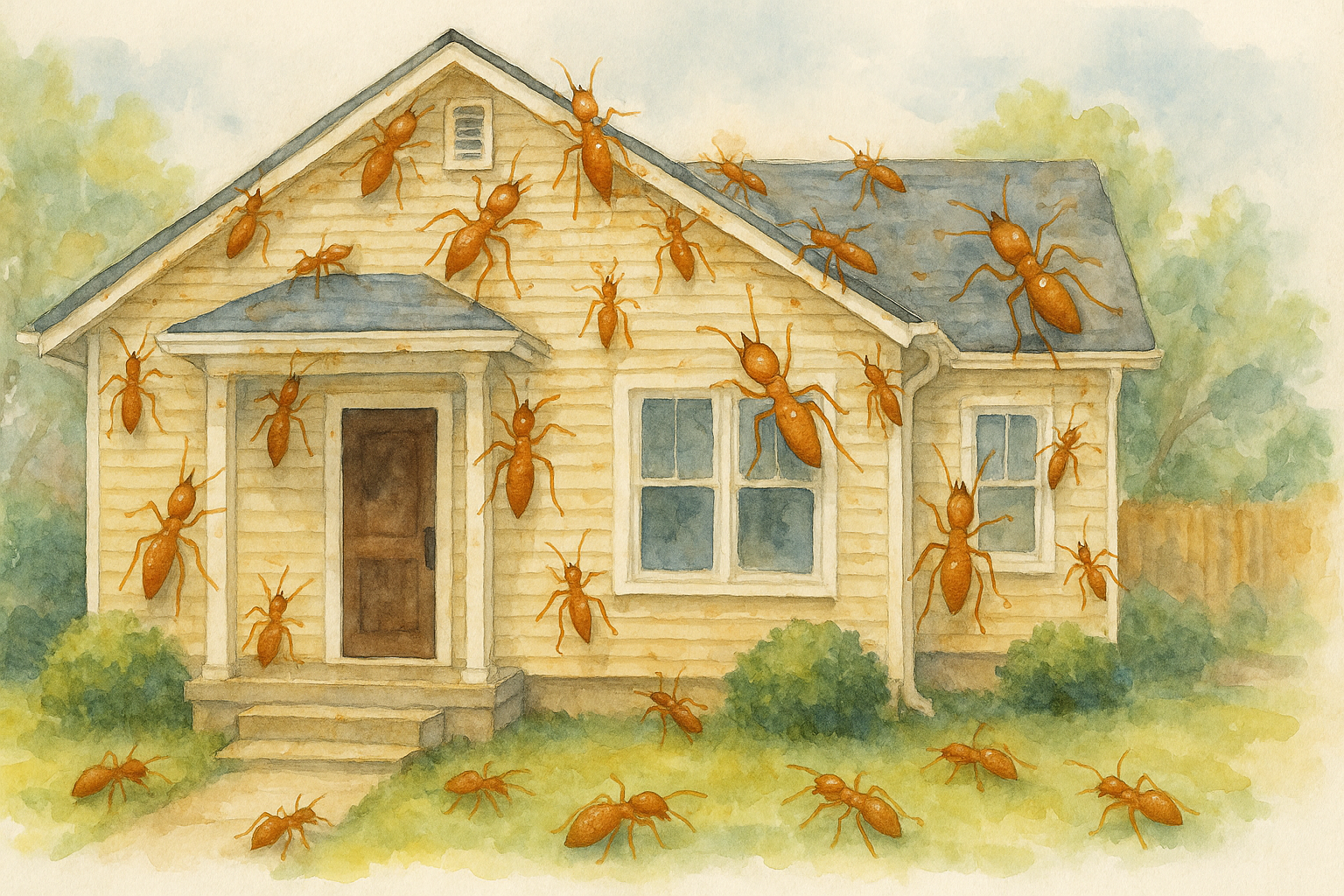
When you think about bugs that eat wood, you might think of places far away like Florida or Texas. Most people do not think about Idaho. But the truth is termites live here too. They are in the Treasure Valley, and they can cause big problems for homes if no one stops them.
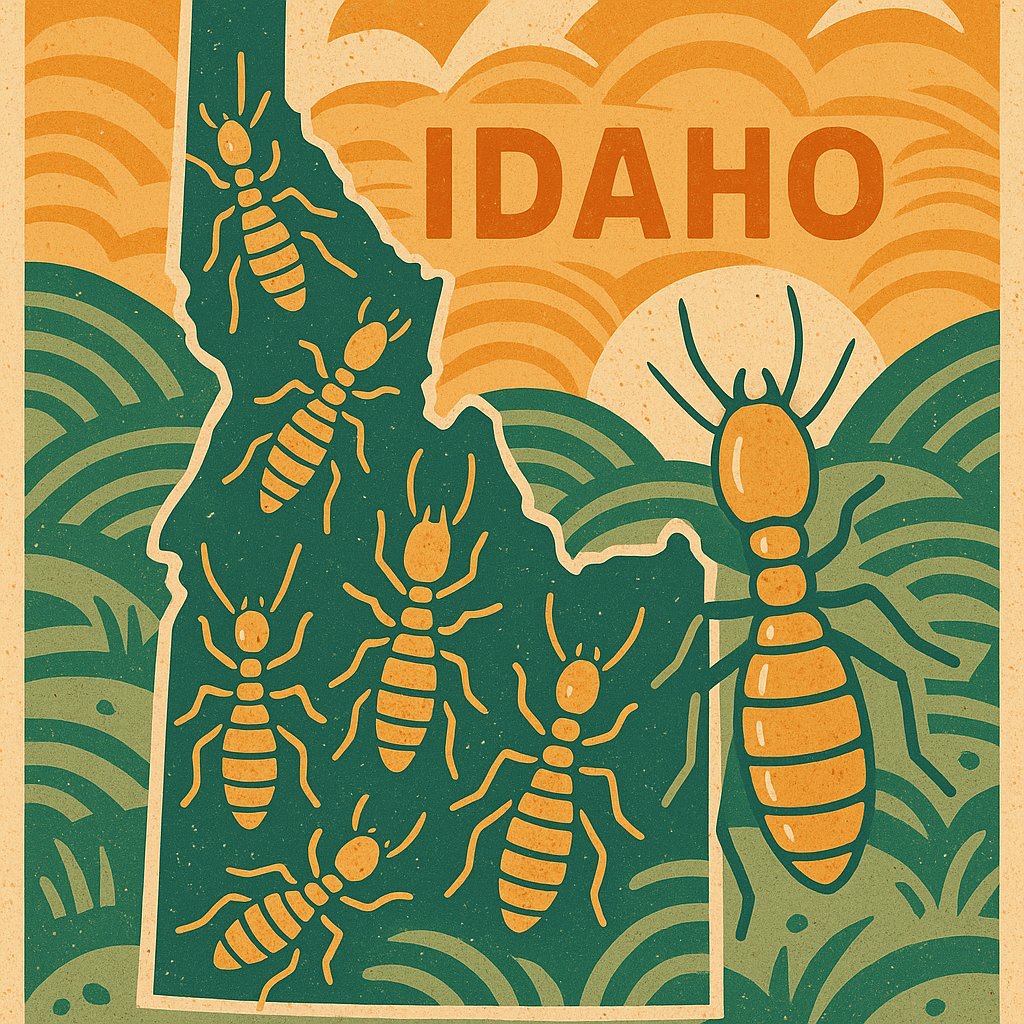
When you think about bugs that eat wood, you might think of places far away like Florida or Texas. Most people do not think about Idaho. But the truth is termites live here too. They are in the Treasure Valley, and they can cause big problems for homes if no one stops them.


What Are Termites?

Termites are tiny insects that eat wood. They love anything made of wood because it has something called cellulose, which they use for food. In Idaho, the kind we see most often is called the subterranean termite.


These bugs live underground and build small tunnels out of dirt. They use these tunnels to stay safe while they travel between their nest and your house.


Why Idaho Homes Can Get Termites

You may wonder why termites would live here where it gets cold. The answer is that Idaho has warm summers, wet springs, and many houses have wood that is easy to reach.


Crawl spaces, basements, and damp areas are perfect for termites. Unlike carpenter ants, which only dig into wood, termites actually eat the wood. This means they can damage your home without you knowing it for a long time.


Signs of Termites in Your Home

Termites are sneaky. They work quietly, so you might not see them right away. Here are some things to look for:

  • Mud tubes on the walls or foundation of your home
  • Wood that sounds hollow when you tap on it
  • Small piles of wings near windows or doors
  • Paint that looks like it is bubbling or cracking


If you see any of these signs, it is time to act fast. Waiting can make the problem worse and cost you a lot of money.


What Happens If You Do Not Stop Them?

If termites move in, they do not stop eating. They chew through beams, floors, and walls. Over time, this can make a house weak and unsafe. The worst part is that by the time you notice damage, they may have been there for years.


How to Protect Your Boise-Area Home

Even though Idaho is not known for termites like the southern states, they still live here. Homes in Boise, Meridian, Eagle, Kuna, Nampa, and Caldwell can all get termites.


The best way to protect your home is to have it monitored by a professional termite company. A trained pest control expert can spot problems before they grow. Regular checks and treatments are the safest way to keep termites out.

Contact Today For $100 Off Your Initial Service!


⭐⭐⭐⭐⭐


Backed by our Bigfoot Guarantee!

What Customers Are Saying:

⭐⭐⭐⭐⭐


"Everyone from Bigfoot is awesome. They are always on time. They're extremely thorough. I've not had a single issue in the two years they have been treating our home. Well worth it!"

T. Potter | Meridian, ID
December 4, 2025
Homeowners ask us this all the time, and it usually comes right after they’ve already tried battling ants, spiders, wasps, or roaches on their own. We’re upfront about this. Hiring a pest control company isn’t always necessary. Sometimes a simple fix solves the issue. But in many cases, professional service is worth every penny because it prevents problems from getting bigger, more expensive, and far more stressful. Here’s a breakdown based on what we’ve seen firsthand in thousands of homes across Boise, Meridian, Eagle, Nampa, Kuna, Caldwell, and Star.
December 4, 2025
Roaches are one of the most hated pests on earth. When one darts across the kitchen floor, the first instinct is usually to grab a shoe and end it right there. We get it. We’ve walked into homes across Boise, Meridian, Eagle, Nampa, Kuna, and Caldwell where people proudly tell us, “Don’t worry, we killed a bunch of them already.” But here’s the truth: squishing cockroaches is one of the worst things you can do during an infestation.  We’ve spent years battling German roaches in Treasure Valley kitchens, bathrooms, restaurants, and apartment-style setups, and we’ve seen firsthand how crushing them can make the problem worse. Below is the breakdown of why.
December 4, 2025
When homeowners ask us which pest is the hardest to eliminate, they’re usually expecting one of two answers: cockroaches or bed bugs. And for good reason. Both are notorious, both are stubborn, and both can make even the cleanest home feel like a battleground. But after years servicing thousands of homes across Boise, Meridian, Eagle, Nampa, Kuna, Caldwell, Star, and even down to Mountain Home and up through Weiser, we’ve learned that the question isn’t quite that simple. The hardest pest to eliminate isn’t just about biology. It’s about behavior, environment, customer expectations, and the realities of what a pest control technician faces inside a home.
By Dan Christensen August 28, 2025
When most people in Idaho hear the phrase “deadly animal,” they think of rattlesnakes on a hot trail, a mountain lion lurking in the foothills, or even a bear deep in the woods. But the numbers tell a different story—and it’s far closer to home than you might imagine. According to CDC data, between 2018 and 2023 there were 1,604 animal-related deaths nationwide, an average of 267 per year. What’s alarming is that this number is steadily climbing—up 38% in just five years. And the top culprit? Not snakes. Not cougars. Not even bears. It’s the buzzing stingers in your own backyard: hornets, wasps, and bees. Stinging Insects: America’s #1 Killer
By Dan Christensen July 31, 2025
Yes. Contrary to popular belief, Idaho does have termites . While the state is not as notorious as southern states for termite infestations, subterranean termites, and in some cases dampwood termites, are active throughout most of Idaho, posing a real risk to homeowners.
By Dan Christensen June 9, 2025
Southern Idaho is experiencing a major outbreak of Mormon crickets, with large swarms now spreading across Owyhee County and moving steadily toward the Treasure Valley. The insects are consuming crops, damaging rangeland, and creating hazardous conditions on rural roads.
More Posts