When homeowners ask us which pest is the hardest to eliminate, they’re usually expecting one of two answers: cockroaches or bed bugs. And for good reason. Both are notorious, both are stubborn, and both can make even the cleanest home feel like a battleground. But after years servicing thousands of homes across Boise, Meridian, Eagle, Nampa, Kuna, Caldwell, Star, and even down to Mountain Home and up through Weiser, we’ve learned that the question isn’t quite that simple. The hardest pest to eliminate isn’t just about biology. It’s about behavior, environment, customer expectations, and the realities of what a pest control technician faces inside a home.
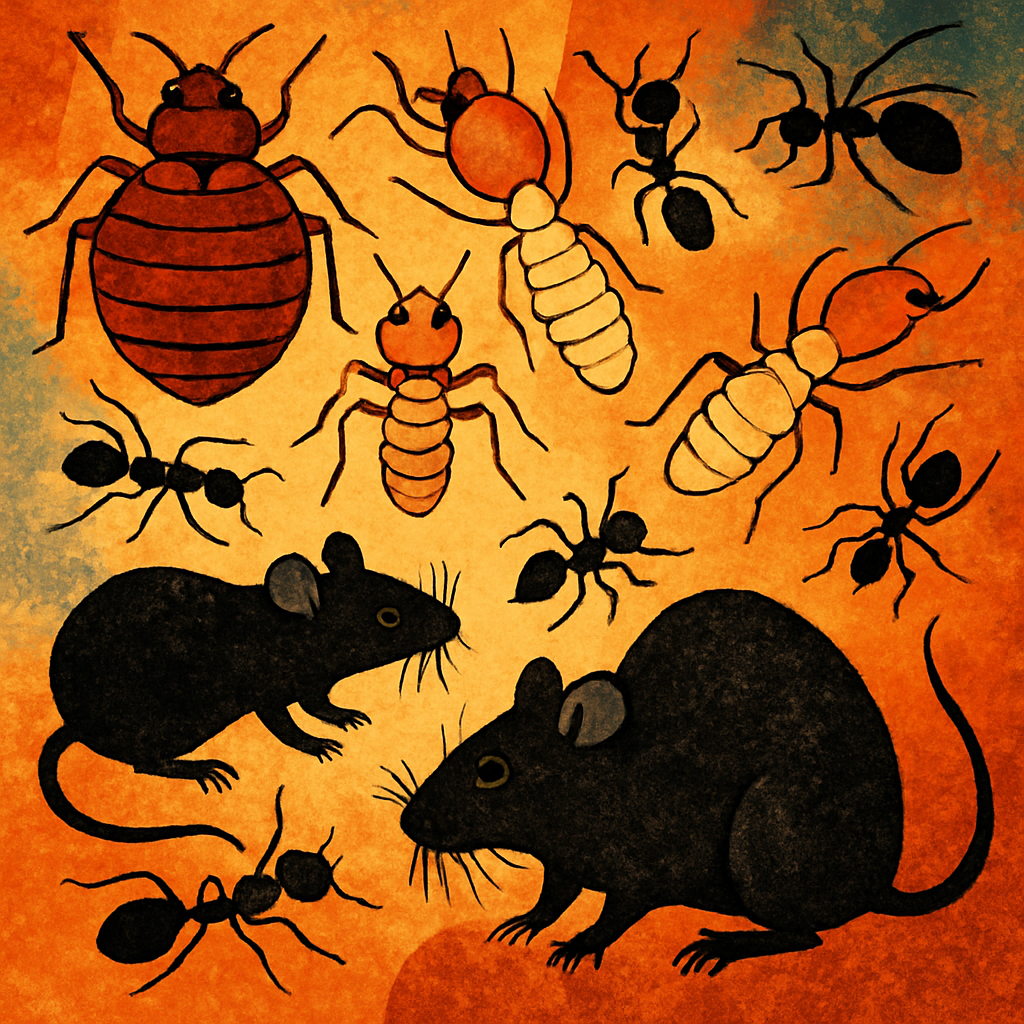
This article breaks down the pests that consistently challenge even seasoned professionals, why they’re so difficult, and what we’ve seen firsthand in the Treasure Valley. We’ll also share the approaches that finally solve these infestations after everything else has failed.
Cockroaches
If we had to pick one pest that checks every box for difficulty, cockroaches are high on the list. When we walk into a kitchen or basement and spot German roaches scurrying when the lights come on, we know two things:
- They’ve been there far longer than the homeowner realized.
- It’s going to take a systematic, multi-step plan to get control.
Why roaches are so hard to eliminate
Roaches are built for survival. They reproduce quickly, hide in tiny gaps behind appliances, and adapt to treatments. In Boise especially, German roaches are almost always brought in accidentally through used appliances or cardboard boxes. We’ve walked into more than a few kitchens where the infestation started because someone bought a used fridge from Facebook Marketplace.
Roaches also develop aversions to certain baits over time. We’ve seen homes where store-bought gels actually made the problem worse because the roaches simply avoided it and continued reproducing. When we’re treating a bad infestation, we're careful to switch bait formulations, rotate products, and treat voids and harborages the homeowner didn’t even know existed.
What we’ve learned
We once treated a Meridian home where roaches had infested the dishwasher insulation, electrical outlets, and the cracks under the cabinet toe-kicks. Every time we pulled out an appliance, more poured out. That job required baiting, growth regulators, residual spray, gel, dust, deep cleaning, and three follow-up visits. That’s normal for serious infestations. Roach jobs are never solved with one visit, no matter who says otherwise. They require cooperation, patience, and a strategic plan.
Bed Bugs
When people ask us which pest causes the most stress for homeowners, the answer is bed bugs every time. The emotional toll alone makes them feel like the hardest pest. And biologically, they’re extremely resilient.
Why bed bugs are so challenging
Bed bugs hide close to where we sleep. They wedge into the seams of mattresses, behind headboards, inside outlets, even in the stitching of couches. They feed on us at night, then retreat into deep cracks where sprays can’t reach.
A big issue is the misinformation online. Homeowners try everything before calling us: essential oils, foggers, rubbing alcohol, diatomaceous earth. Most of those efforts don’t help, and some spread the infestation further. By the time we enter the picture, the bed bugs are dispersed through multiple rooms.
What we’ve seen
We treated a home in Nampa where the owners had tried to solve the problem for six months on their own. They had dismantled furniture, sprinkled powders everywhere, and used so many DIY foggers the smoke detectors were taped shut. By then, bed bugs were behind the baseboards, inside the box spring, and along the carpet edges of nearly every bedroom.
We put together a full prep plan, used targeted application methods, and returned for multiple follow-ups. Even then, it took time and diligence. Bed bugs don’t respond to shortcuts. The hardest part isn’t killing the bugs. It’s finding all the places they hide.
Ants
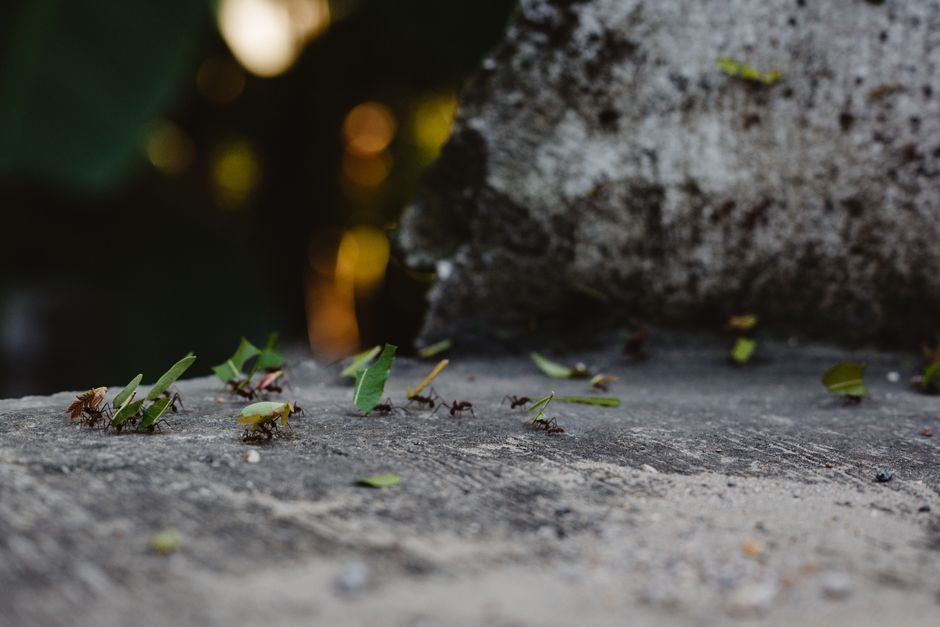
Ants don’t always make the “hardest pest” list, but they should. Not because they’re individually tough, but because they’re colony-driven and persistent. In Boise, sugar ants and pavement ants can be relentless. They slip through hairline cracks and create satellite colonies inside walls.
Why ants can be difficult
Ants behave differently depending on the colony's needs. Spray the wrong spot and they split into multiple colonies and get worse. Treat too lightly and they return a week later. We’ve had homeowners tell us, “I’ve sprayed every day for two months,” which is usually why the colony has fragmented into four or five separate nests.
Our experience
We once serviced a home in Eagle where ants were coming through a pinhole gap where the countertop met the backsplash. You couldn’t even see the gap until you got down to eye level. The customer had saturated the area with retail sprays. That created multiple budding colonies inside the wall void. Once we switched to non-repellent products and baits, we finally shut down the entire colony. Ants aren’t physically hard to kill. They’re just easy to make worse if treated incorrectly.
Rodents
Rats and mice don’t multiply as fast as roaches or spread as silently as bed bugs, but they’re some of the smartest pests we deal with. Rodents learn, adapt, and avoid traps if they sense danger. They’re powerful chewers, and once they establish a run path in a garage or attic, they use it until the food source disappears.
What makes rodents uniquely challenging
Rodent jobs require detective work. We have to find entry points, trace droppings, identify runways, and seal openings as small as a quarter inch. Homeowners are usually surprised when we show them the exact entry hole. It’s almost always something small and overlooked like a gap around a hose spigot or the corner of a garage door.
What we’ve seen
We had a case in Kuna where the homeowner swore the mice were coming in through the garage. After inspection, we found the real entry point was a chew hole under the siding near the AC line. The mice had tunneled through insulation and were entering a pantry wall cavity without ever setting foot in the garage. Once we sealed the entry, set traps strategically, and removed attractants, the issue cleared up. Rodents are hard because the root problem is always structural.
Wasps
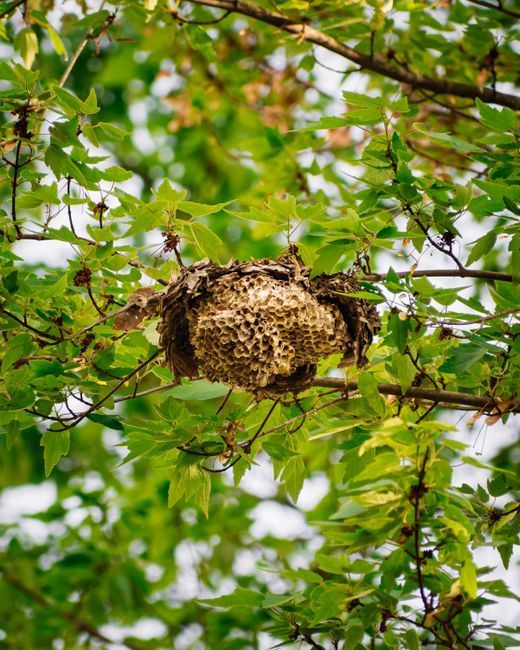
Wasps often aren’t considered among the “hardest pests,” but they earn their place when they build nests in attics, wall voids, or soffits. Bald-faced hornets and yellow jackets can create massive colonies quickly. The danger level also raises the stakes.
Why wasps challenge homeowners and pros
Sprays sold at the store are almost always too weak for serious nests. People spray the entrance hole, think they got it, and the colony just relocates deeper into the structure. When we get called, it’s usually after someone has been stung or the nest has grown far larger than expected.
We’ve pulled basketball-sized nests out of Nampa homes and treated voids that hummed like a generator.
Termites
Termites aren’t common in every part of Idaho, but they absolutely exist in the Treasure Valley, and we’ve seen enough activity to know they deserve a place on this list. Homes near older neighborhoods or moisture-prone sites can become termite hotspots.
Why termites are difficult
Termites stay hidden. You don’t see them until the damage is visible. By then, colonies may number in the hundreds of thousands. Treatments must be precise and thorough because even a small gap in the treated zone lets the colony continue feeding.
When we started offering termite control in 2025, the biggest surprise for many homeowners was how little evidence termites leave behind. A few mud tubes, a few discarded wings, maybe a soft baseboard. Meanwhile, the colony is quietly consuming structural wood.
The Real Answer: The Hardest Pest Is the One You Don’t Address Quickly
All pests become harder to eliminate the longer they’re allowed to settle in. Small roach issues explode into full-blown infestations. A single pregnant mouse becomes dozens. A few bed bugs turn into nightly bites for months.
What we’ve learned after years of treating homes across the Treasure Valley is that pest control is a partnership. We bring the expertise, tools, and products. Homeowners contribute cooperation, preparation, and access. When both sides work together, even the worst infestations can be solved.
What Homeowners Can Do
The best results come when homeowners understand three things:
- Infestations grow exponentially.
Roaches, ants, and rodents all multiply fast. Waiting rarely helps. - DIY often delays real solutions.
Certain products help in light cases, but misapplied treatments often worsen the issue. - Professional treatments are designed to eliminate the entire colony, not just what you see.
That’s the difference between temporary relief and lasting control.
Final Thoughts
So what’s the hardest pest to get rid of? If we’re talking pure biology, bed bugs and German cockroaches take the crown. If we’re talking emotional stress, bed bugs win. If we’re talking structural challenges, rodents compete. But if we’re being completely honest, the hardest pest to get rid of is the one that’s allowed to spread before we’re called in.
We’ve walked into every kind of scenario you can imagine. We’ve seen infestations hidden in places no one checked. We’ve seen people feeling embarrassed, overwhelmed, frustrated, or just exhausted from fighting on their own. The good news is that every single one of those situations can be brought under control with the right plan, the right products, and the right team.
At Bigfoot Pest Control, we’ve built our entire service model around making these tough situations manageable for homeowners. We believe in fast response times, honest communication, and treatment methods that actually solve the root of the problem. Whether it’s roaches, bed bugs, ants, rodents, or anything else trying to move in, we’ve seen it before and we know how to get your home back.
If you’re dealing with something persistent, don’t wait. The sooner we can take a look, the easier the job is for everyone. And we’ll get you back to feeling comfortable in your home again.
Contact Today For $100 Off Your Initial Service!
⭐⭐⭐⭐⭐
Backed by our Bigfoot Guarantee!
What Customers Are Saying:
"Everyone from Bigfoot is awesome. They are always on time. They're extremely thorough. I've not had a single issue in the two years they have been treating our home. Well worth it!"
T. Potter | Meridian, ID